
Home / Company updates / ECRM buyer meetings
Company news / ECRM September 2026
TruLife Distribution Completes 37 Buyer Meetings at ECRM, Advancing U.S. Retail Strategy for Emerging and International Wellness Brands
By TruLife Distribution
The September session put wellness brands in direct conversation with retail buyers. The next test is how each brand uses what it learned.
View the official announcement distributed through PR Newswire.
From an appointment to an actionable next step
TruLife Distribution completed 37 buyer meetings at the ECRM Vitamin, Weight Management & Sports Nutrition Session, held September 14–17, 2026 at PGA National Resort & Spa in Palm Beach Gardens, Florida. For international and emerging wellness brands pursuing U.S. retail expansion, those scheduled conversations offered a chance to hear directly how different buyers evaluate products in their categories.
The program brought brands into meetings across grocery, pharmacy, specialty, marketplace and distribution channels. Buyer conversations are an important part of U.S. retail commercialization, but an appointment alone is not a listing. Product fit, commercial readiness and disciplined follow-up determine whether a conversation can move forward.
Brian Gould, CEO of TruLife Distribution, has emphasized that the value of a buyer meeting includes the learning it produces and the work that follows. A team needs to understand the questions being asked, identify what a buyer wants reviewed and respond with information specific to that account. Pricing, margins, supply capacity, compliance and marketing plans all matter because they affect whether a proposed item can work within a retailer’s operating model.
These meetings document access and conversation—not retailer endorsement, approved products, purchase commitments or guaranteed shelf placement.
Different channels, different buyer questions
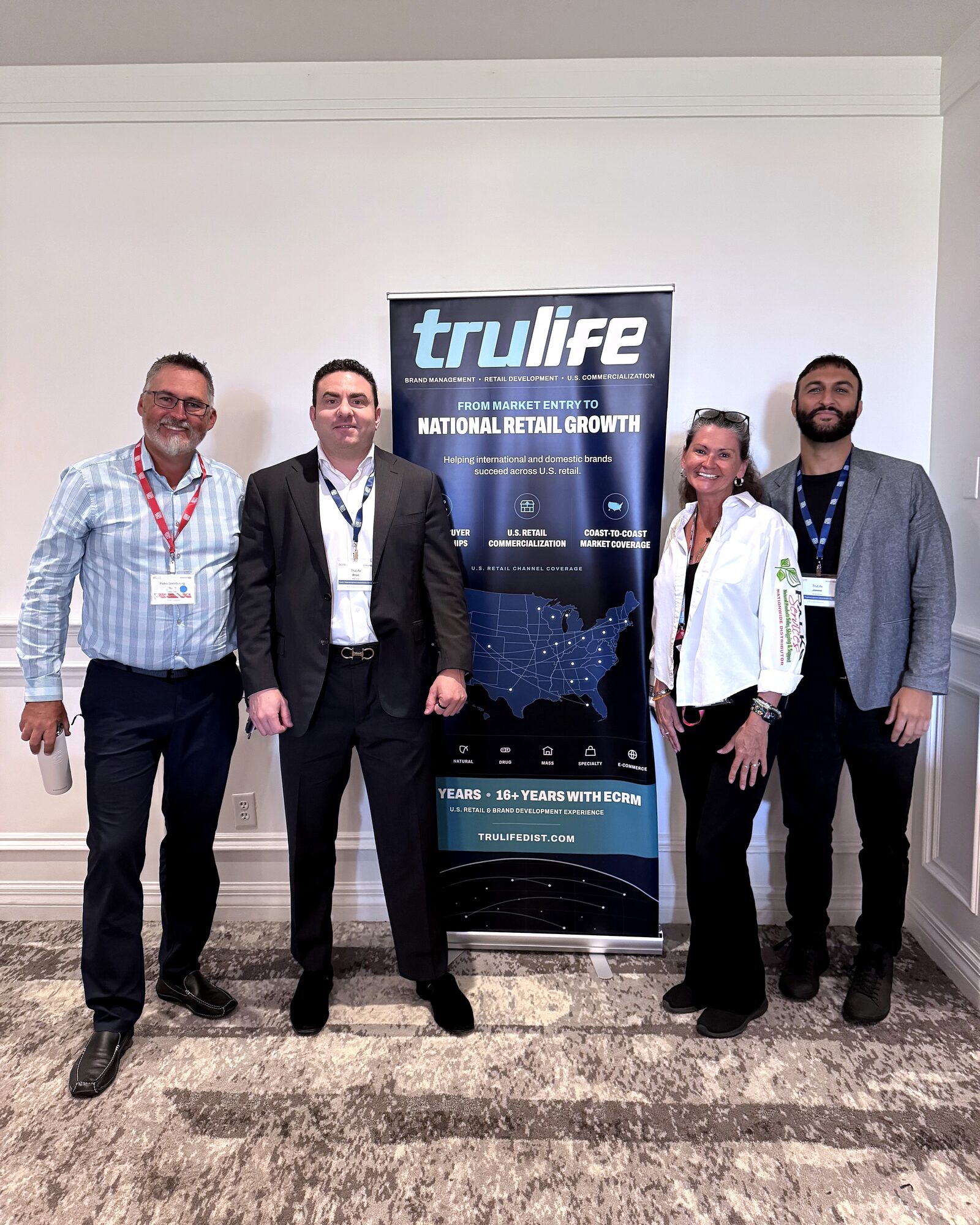
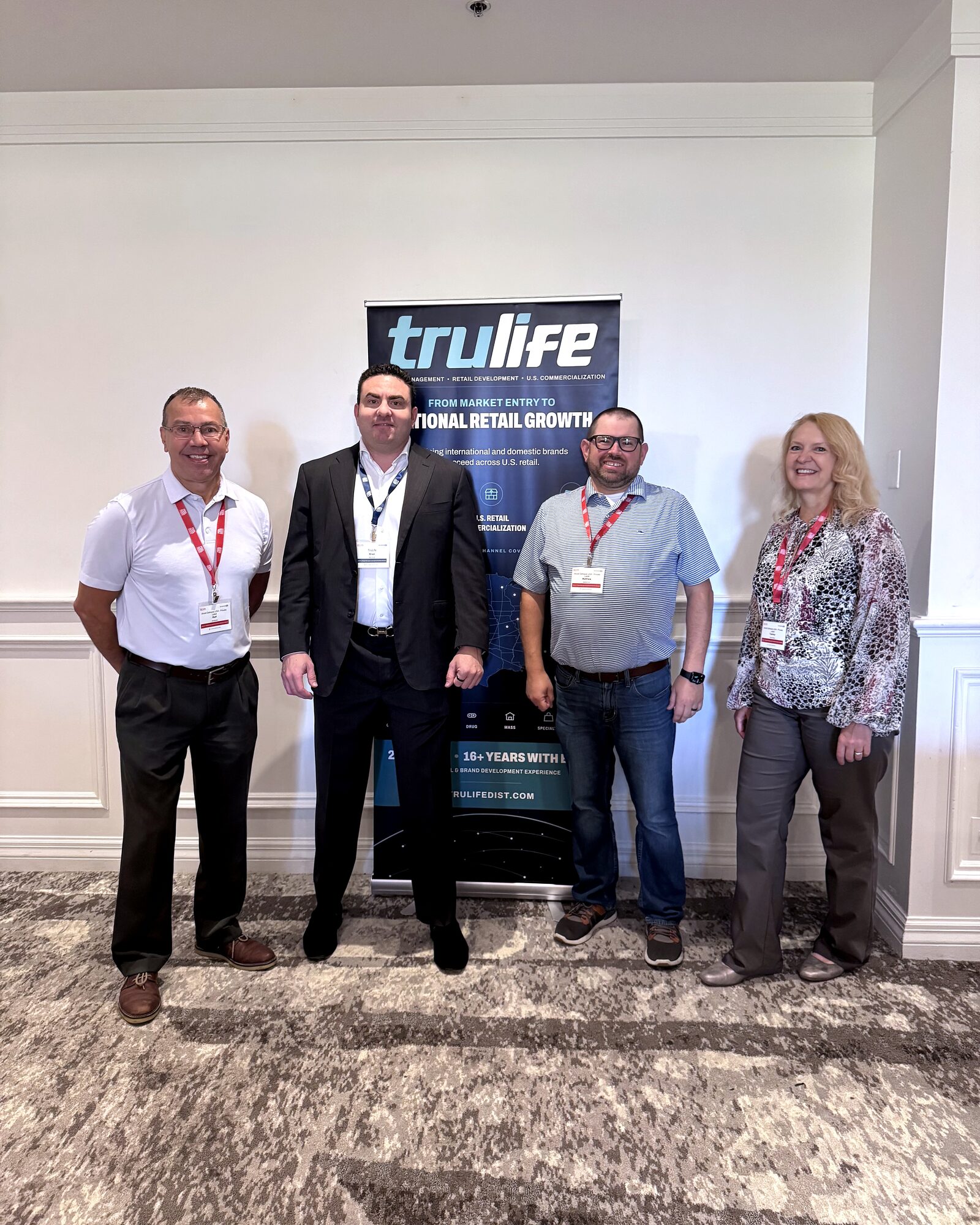
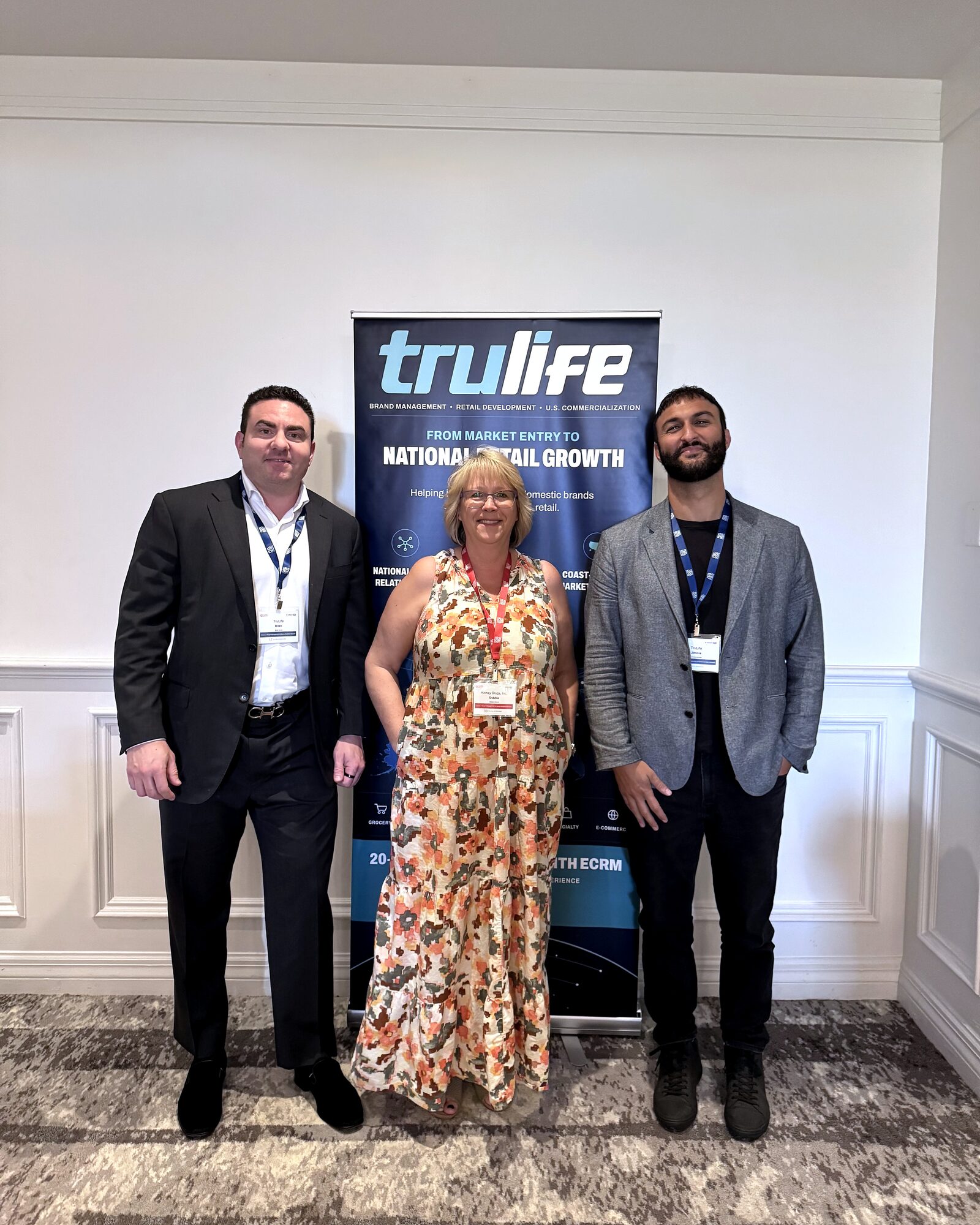
Among the organizations TruLife met with during the session were Ahold Delhaize USA, Niemann Foods, Palko Distributing, PriceSmart, Alpine Health, MOM’s Organic Market, Vitamin World, Kinney Drugs, Macy’s Marketplace and Walmart Marketplace. Meeting photographs below also document conversations with Meijer and Wegmans. These names identify meeting participants, not partners or accounts that have committed to carry a brand.
A marketplace conversation, a distributor discussion and a grocery category review do not call for identical plans. For one account the immediate question may be assortment fit; for another it may be the price structure, fulfillment model or supporting marketing. That is why TruLife approaches the meetings as part of a broader U.S. retail channel strategy, rather than treating buyer access as the end of the process.
The vitamin, weight management and sports nutrition focus also matters. Buyers in these categories need to understand what a product is, how it is positioned, how it will be supplied and what claims and materials support it. An emerging brand cannot assume that a compelling product story answers commercial questions about pricing, margins or compliance. Listening carefully in the meeting makes it possible to distinguish a product objection from a solvable preparation gap.
What happens after ECRM
For TruLife, the next phase is to organize buyer-specific follow-up. That can involve sample and product reviews, price reviews, additional commercial information or continued marketplace and distribution conversations. The sequence depends on what was actually discussed with each buyer; it should not be reduced to the same generic email for every account.
Brands also need to put the feedback in context. If a buyer raises a question about supply, the answer has implications beyond a single meeting. If the pricing structure does not support the proposed channel, the brand may need to revisit its margin assumptions before presenting elsewhere. When a marketplace team asks about execution, the plan has to account for the channel’s operational demands as well as its reach. Each response is an opportunity to improve the underlying U.S. retail plan, whether or not that particular conversation advances.
For an international brand, this work may sit alongside the fundamentals of entering the U.S. market: making the product commercially and operationally ready, selecting the right channels, then building the capability to service them. For an emerging domestic brand, it can clarify which retail opportunities are realistic now and which require further preparation. In either case, buyer feedback is useful only if it is translated into decisions, materials and execution.
The September program is one documented step in that process. TruLife’s ECRM buyer meeting results page records the session and its follow-up framework. The objective for brands is not simply to count meetings, but to use them to sharpen an accountable plan for U.S. retail expansion.
From the September session
Buyer conversations, documented.
Photographs from TruLife Distribution’s ECRM meetings. Each caption identifies a meeting, not a retail placement.
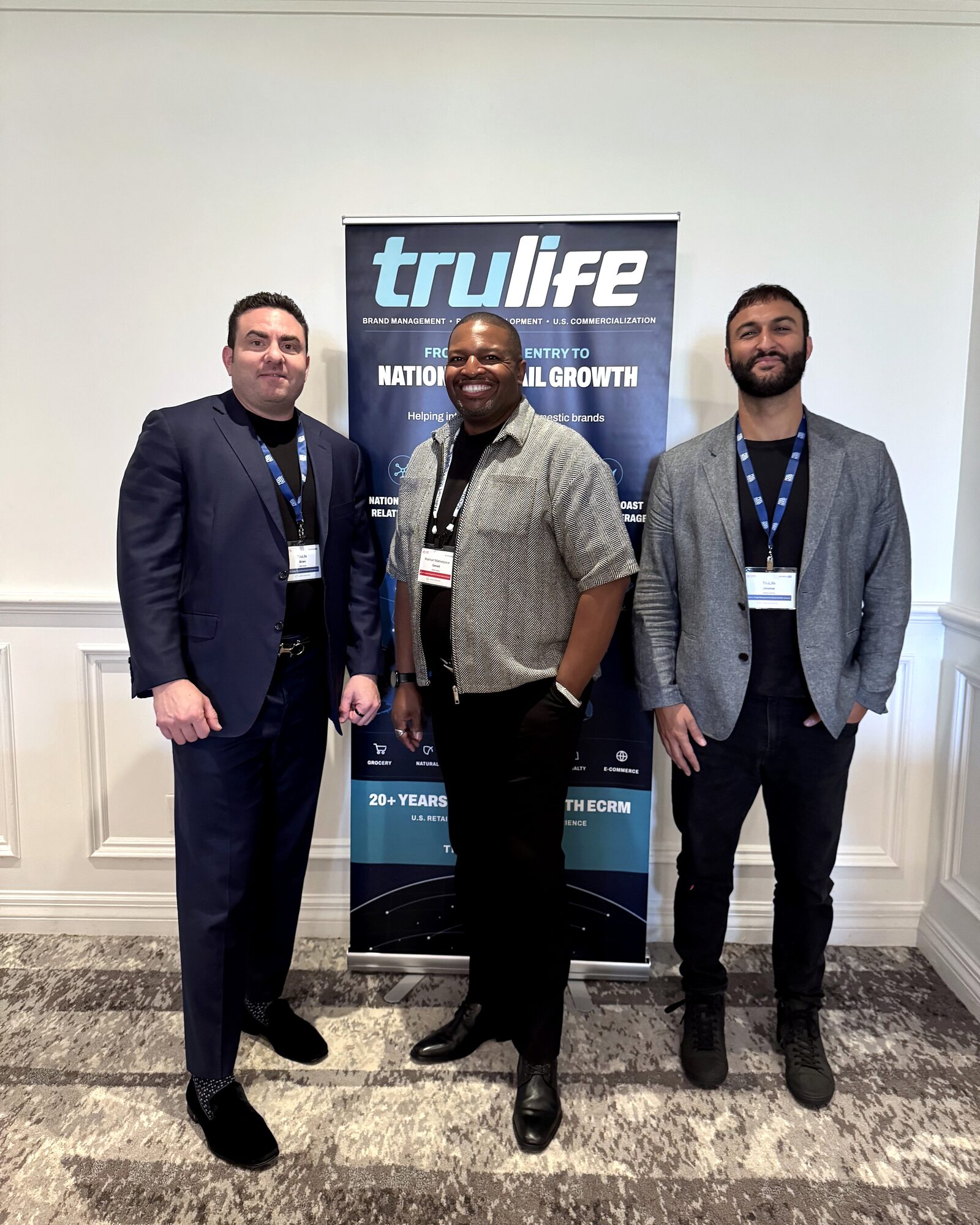
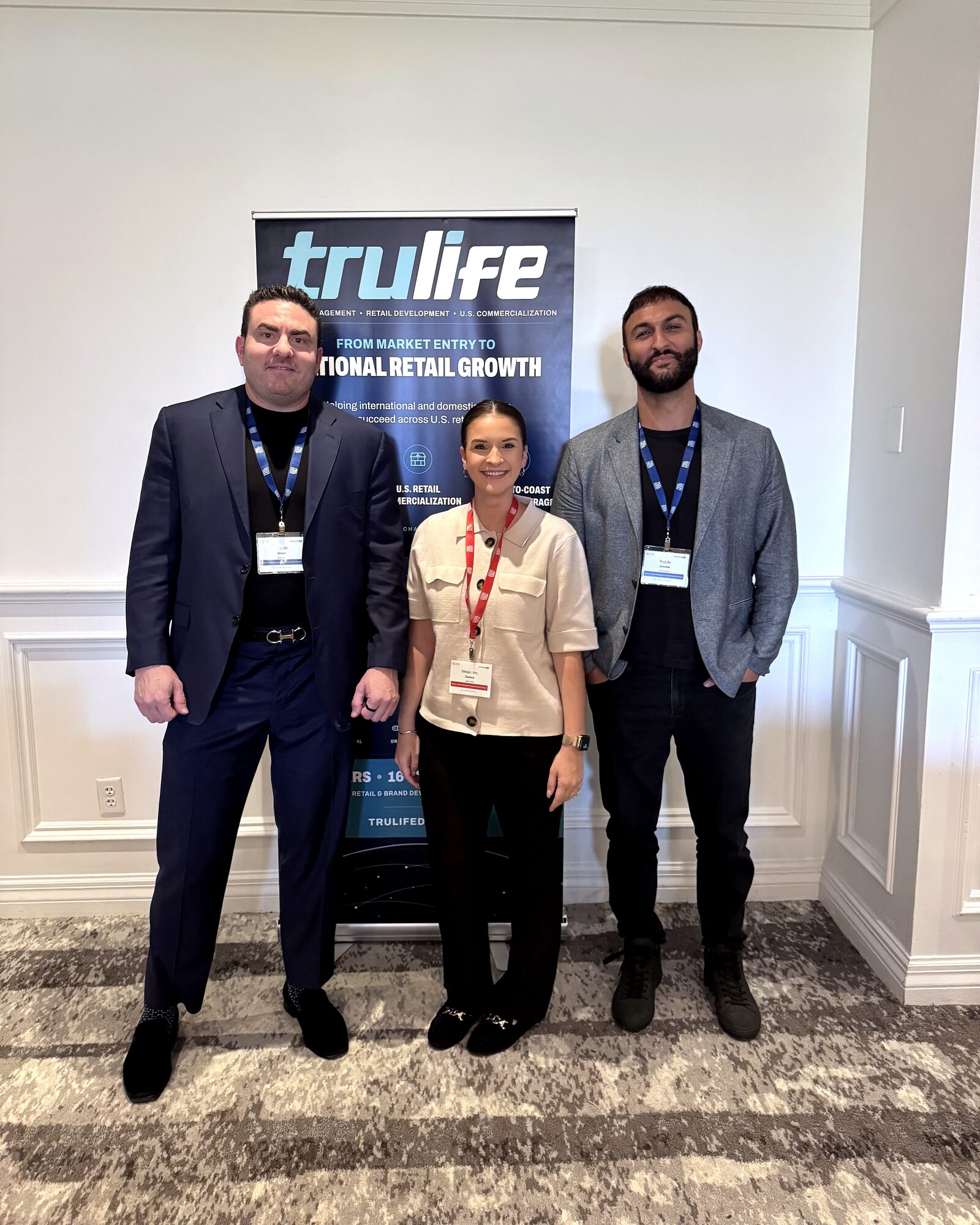
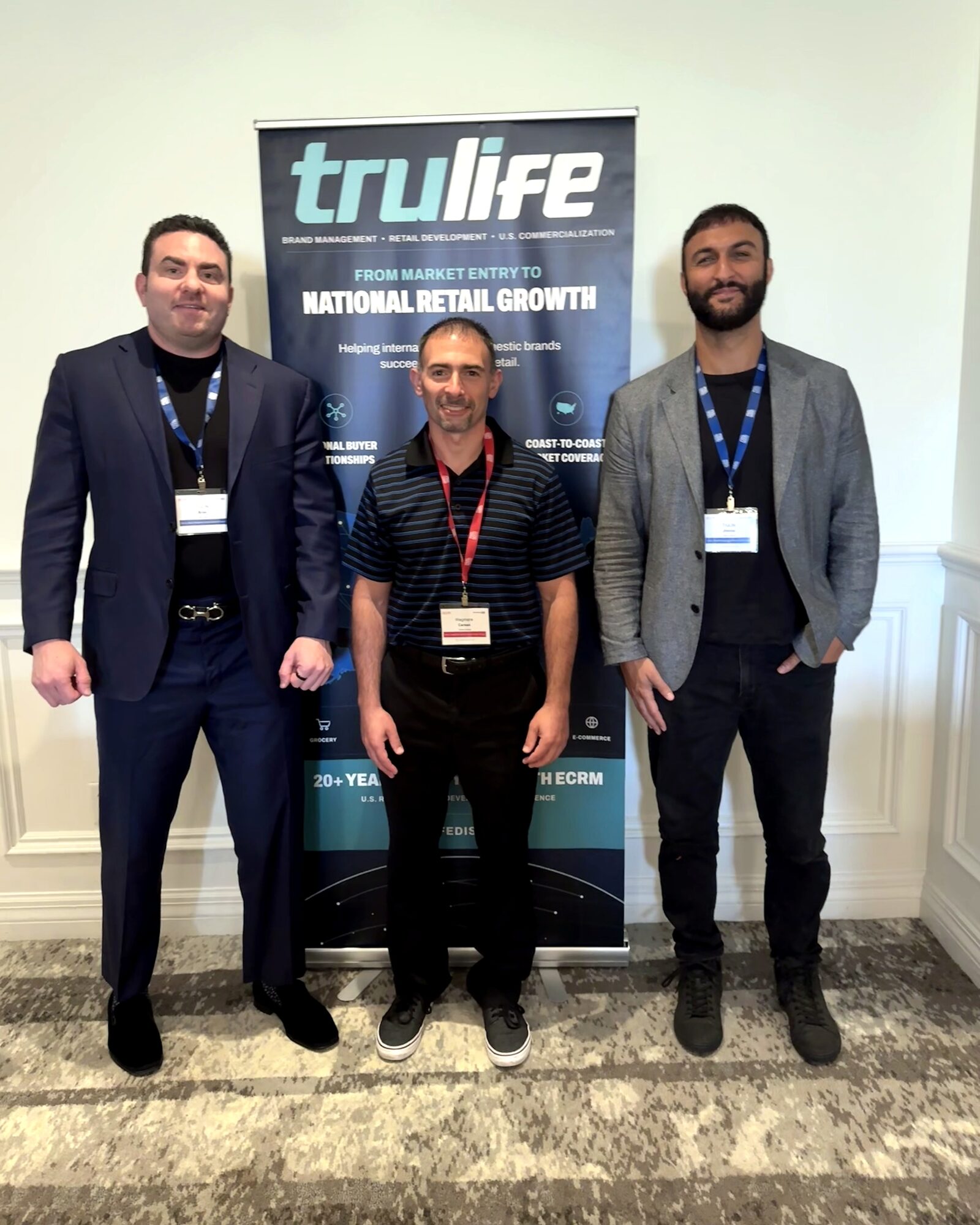
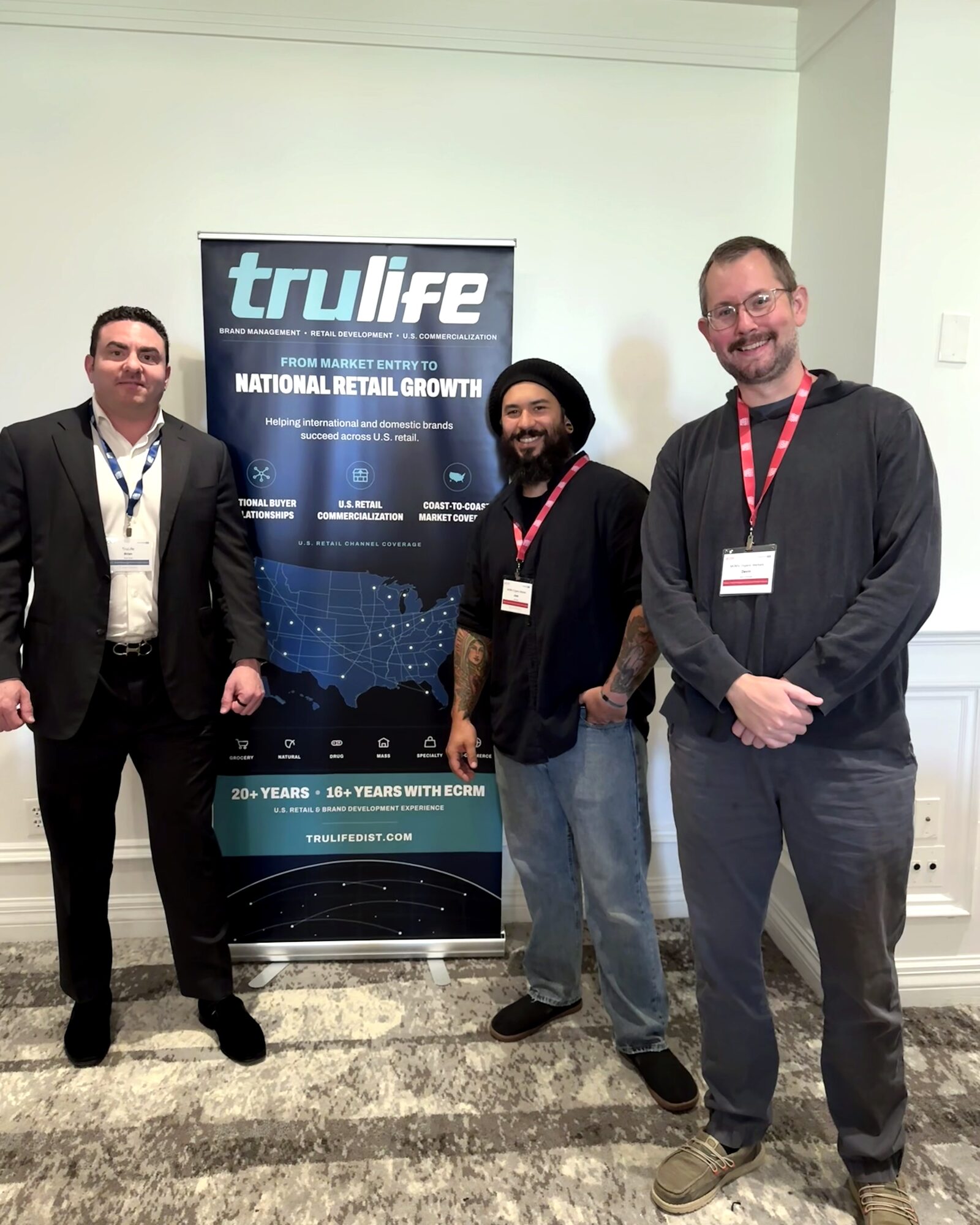
Buyer access is only the beginning. TruLife manages the preparation, commercial requirements and follow-through needed to move a retail conversation toward an actual business opportunity.
See How TruLife Develops U.S. Retail Accounts →Retailer names and photographs document meetings only. They do not imply endorsement, purchase commitment, brand approval or guaranteed placement.