
Channel fit
What this channel is—and what belongs there
Products need an immediately legible use occasion and a format that works within compact, disciplined planograms. Clear naming, pack size, shelf stability and compliant benefit communication matter because the shopper may compare several familiar choices quickly.
Regional pharmacies can combine health authority with local loyalty; large drug chains bring broader operating requirements and promotional systems. The same item may not be ready for both at once. Category fit, substantiation and dependable supply should determine the sequence.
Buyer checklist
What to prepare before outreach
- Claims substantiation, compliant Supplement Facts or other required labeling
- Quality, testing, insurance and manufacturing documentation
- Planogram-friendly dimensions, case pack, shelf life and scannable item data
- Retail pricing and promotion scenarios, including loyalty or temporary-price events
- Forecast, inventory and replenishment plan appropriate to the proposed rollout
Commercial reality
Build economics around the actual route
Build economics around the exact account program: landed cost, retailer terms, any intermediary, freight, allowances, promotions, returns, chargebacks and working capital. Drug retail may use frequent promotions, but a brand should not promise a cadence it cannot fund. Evaluate contribution after each cost rather than relying on a fixed industry margin assumption.
Avoidable gaps
Common mistakes in drug & pharmacy
- Confusing a pharmacy’s consumer shelf with prescription distribution
- Using clinical-sounding language that the evidence or regulatory category does not support
- Submitting bulky packaging without checking shelf dimensions and case configuration
- Budgeting for the first order but not replenishment, promotion and service requirements
Launch and measurement
Plan beyond the first order
Plan the submission around a consumer problem, not around the word “pharmacy.” Identify the department, adjacent products, reason the item adds value and the exact language a shopper will see. Quality documentation should be organized before review, with clear ownership for retailer questions, adverse-event processes where applicable and changes to labels or formulas.
For launch, map inventory and marketing to the approved door count and promotion calendar. Monitor whether stores receive and shelf the item, whether digital product data is correct and whether replenishment follows consumer movement. Regional pharmacy can provide a focused test, but only if the brand supports those stores and learns from reorder and promotion results before requesting wider distribution.
How TruLife helps
From readiness through sell-through
TruLife evaluates the product’s consumer-wellness fit, compliance gaps, pricing, pack architecture and operational readiness. We prepare the retail narrative and documentation, prioritize realistic regional or broader accounts, coordinate buyer outreach, samples and follow-up, and support onboarding, logistics and promotional planning. Marketing and account review then focus on repeat purchase and replenishment rather than placement alone.
Meeting context
A relevant scheduled buyer meeting
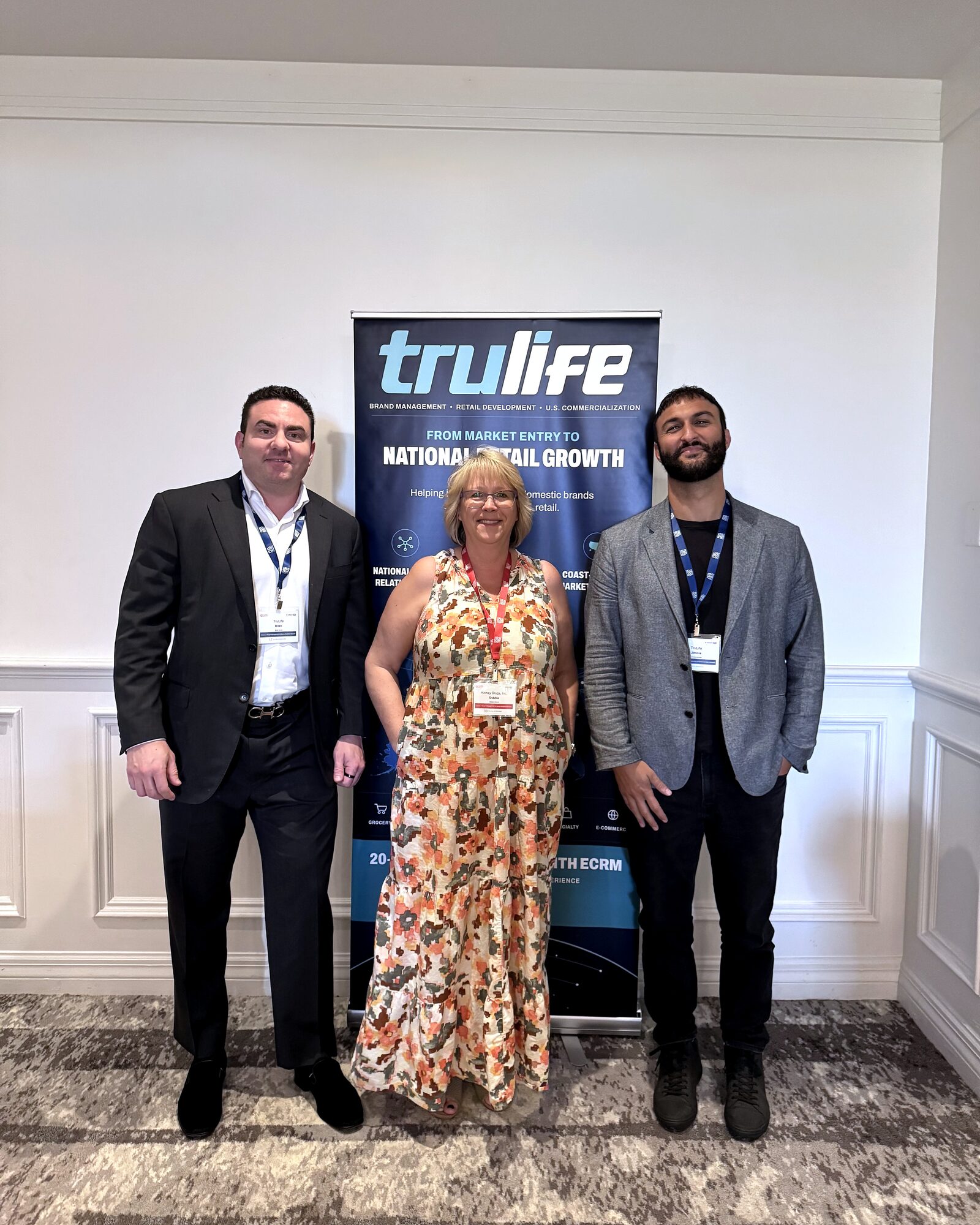
Kinney Drugs is shown as evidence of a scheduled retail buyer meeting in the pharmacy channel.
Disclosure: Retailer names and photographs document TruLife Distribution’s participation in scheduled buyer meetings. Meetings do not imply retailer endorsement, purchase commitment or guaranteed placement.
Next steps
Turn channel interest into a decision
Define the exact shelf and consumer mission first. Assemble the quality file, validate every claim, test price and promotion scenarios, and establish how inventory will replenish. Compare a regional pharmacy start with grocery, specialty and e-commerce before selecting the first account set.
Frequently asked questions
Drug & Pharmacy FAQs
Does this service include prescription drugs?
No. This page addresses consumer wellness and related retail categories sold through drugstores and pharmacies, not prescription pharmaceutical wholesale.
Do drugstore buyers require clinical studies?
Requirements depend on the claim and category. Brands need appropriate substantiation and compliant communications; unsupported clinical language can weaken rather than strengthen a submission.
Should packaging be changed for pharmacy retail?
Sometimes. Dimensions, readability, tamper features, count, shelf life and item data should be reviewed against the target account’s category and planogram needs.
Is a buyer meeting a commitment to stock the product?
No. A meeting documents access to a review opportunity. It is not endorsement, a purchase commitment or guaranteed placement.