
Channel fit
What this channel is—and what belongs there
A regional launch suits brands that can identify a meaningful local consumer, support a finite store base and learn before expanding. Existing communities, practitioners, events, digital customers or founder ties can help only when converted into a concrete demand plan.
Account boundaries do not always match state lines, and distribution centers may serve overlapping territories. Buyers still evaluate category fit, price, evidence, supply and support. Regional does not mean informal or operationally easy.
Buyer checklist
What to prepare before outreach
- Defined geography and evidence that the target consumer is present
- Account-format fit, category role and opening assortment
- Cost-to-serve from the chosen warehouse or distributor
- Localized media, sampling, field and promotion plan
- Store-level reporting, reorder measures and expansion criteria
Commercial reality
Build economics around the actual route
A smaller rollout may reduce inventory exposure but can raise per-unit freight, field and marketing costs. Model routes, minimums, distributor terms, promotions, samples and travel as well as retailer deductions and payment timing. Decide in advance what sales and reorder pattern would justify another region.
Avoidable gaps
Common mistakes in regional retail
- Calling every non-national retailer a regional channel without considering its actual format
- Spreading marketing across the country while inventory is concentrated locally
- Adding geographies before replenishment and store execution are stable
- Ignoring overlapping territories, warehouses and distributor availability
Launch and measurement
Plan beyond the first order
Translate the chosen region into an operating map. Mark target accounts, distribution centers, delivery routes, consumer concentrations, field resources and media markets. This exposes false economies—for example, a nearby retailer whose warehouse is expensive to serve—and helps the team concentrate inventory and activity where they can reinforce one another.
Define an expansion gate before launch. It might combine acceptable in-stock performance, reorder quality, contribution after local support and evidence that the consumer proposition travels. The exact measures depend on the account and available data. A gate prevents one enthusiastic meeting or shipment from triggering several unsupported regions and gives the brand a clear learning agenda.
How TruLife helps
From readiness through sell-through
TruLife maps product fit to account format and geography, reviews compliance and economics, and prepares a focused retail proposition. We identify realistic targets, coordinate outreach, meetings and follow-up, and help align distributor or direct fulfillment, warehouse inventory and localized launch activity. Performance review focuses on store support, reorder quality and the evidence needed for the next phase.
Meeting context
A relevant scheduled buyer meeting
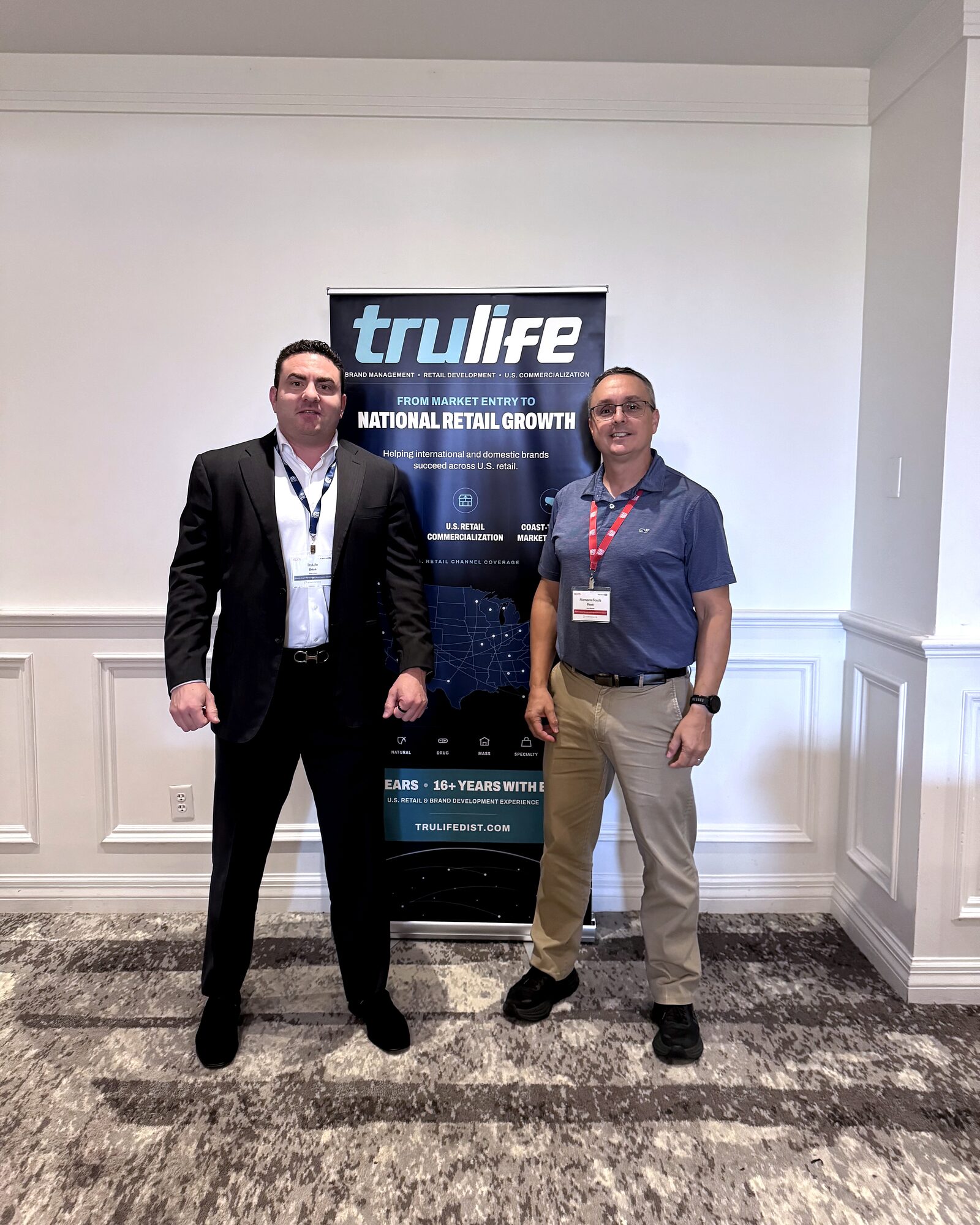
Niemann Foods is shown as evidence of a scheduled meeting with a regional retail organization.
Disclosure: Retailer names and photographs document TruLife Distribution’s participation in scheduled buyer meetings. Meetings do not imply retailer endorsement, purchase commitment or guaranteed placement.
Next steps
Turn channel interest into a decision
Choose one geography for a reason you can defend. Map target consumers, retailers, warehouse routes and support resources; define the opening store base and a measurable expansion gate. Compare regional versions of grocery, pharmacy and specialty rather than treating them as alternatives.
Frequently asked questions
Regional Retail FAQs
Is regional retail a separate store format?
No. It describes footprint. Regional businesses can operate grocery, pharmacy, natural, mass or mixed formats, so both geography and format must be evaluated.
Why start regionally?
Focus can make inventory, marketing and account support more manageable while producing evidence for future expansion.
Do regional chains have simpler requirements?
Not necessarily. They can have sophisticated item setup, compliance, warehouse and promotion requirements specific to their operation.
When should a brand expand?
After replenishment, consumer support, service levels and economics are credible—not simply after the first shipment.