
Channel fit
What this channel is—and what belongs there
Products that explain well through content, ship reliably and encourage repeat purchase can be strong candidates. The brand needs compliant detail pages, useful imagery, competitive context and a fulfillment approach that protects the customer experience.
Amazon, Walmart Marketplace, direct-to-consumer and specialist sites have different rules, fees and demand patterns. This guide addresses channel strategy and readiness. TruLife’s separate Amazon service page explains managed execution in greater detail.
Buyer checklist
What to prepare before outreach
- Seller, tax, insurance and product documentation required by the platform
- Compliant titles, claims, images, attributes and enhanced content
- Landed contribution model including platform, fulfillment, storage, returns and ads
- Inventory forecast and fulfillment choice with expiration controls where relevant
- Pricing, authorized-seller and channel-conflict policy
Commercial reality
Build economics around the actual route
Calculate contribution by SKU and order after product cost, inbound freight, platform referral charges, fulfillment, storage, returns, discounts and advertising. Direct-to-consumer also carries payment, pick-pack, shipping and acquisition costs. Results change with size, weight, season and conversion, so use live assumptions rather than a universal margin target.
Avoidable gaps
Common mistakes in e-commerce
- Launching listings before claims, product data and content are complete
- Driving paid traffic to a page that does not convert or retain customers
- Running out of stock after gaining rank, then overcorrecting with excess inventory
- Allowing unauthorized or poorly governed sellers to create pricing and trust problems
Launch and measurement
Plan beyond the first order
Build the product-detail page as a guided buying decision. Answer what the product is, who it is for, how it is used, what is in it and what makes it different, while keeping claims within the evidence and category rules. Mobile readability, accurate attributes and consistent packaging imagery are operational requirements as well as marketing work.
Set a weekly scorecard before launch: sessions, conversion, advertising efficiency, contribution, returns, ratings themes, in-stock rate and repeat behavior where available. Diagnose the sequence rather than chasing one metric. More traffic will not fix a weak offer, and a discount that raises conversion may still reduce contribution. Use learning to improve the item and inform retail presentations without overstating results.
How TruLife helps
From readiness through sell-through
TruLife helps select the role of each online channel, review compliance and contribution economics, prepare content and marketplace onboarding, and align fulfillment with U.S. inventory. Ongoing work may include listing optimization, advertising coordination, pricing governance, performance review and integration with retail strategy. A documented Walmart Marketplace meeting relates to its marketplace team; it does not establish Walmart store placement.
Meeting context
A relevant scheduled buyer meeting
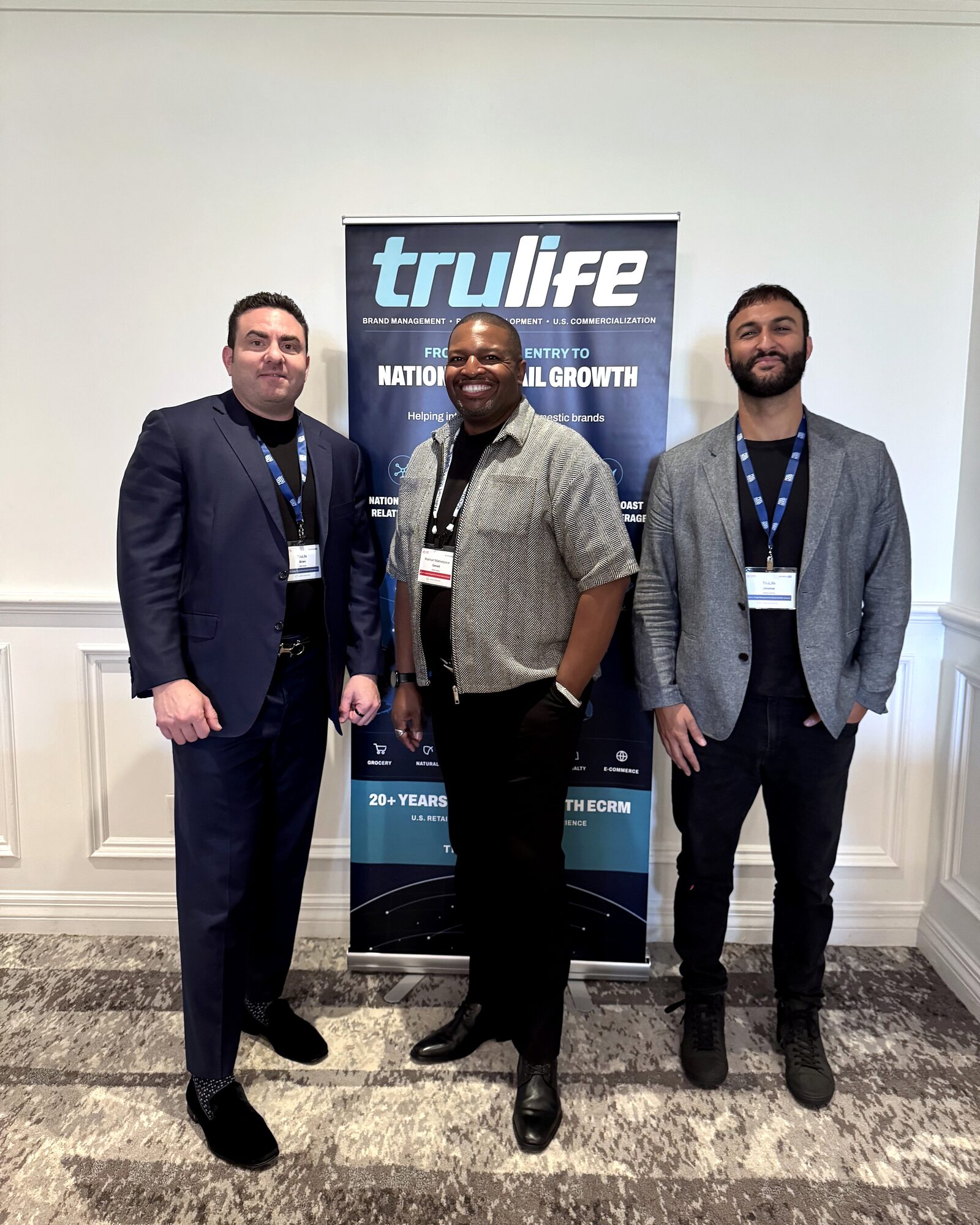
Walmart Marketplace is shown as evidence of a scheduled marketplace meeting, not a Walmart physical-store placement.
Disclosure: Retailer names and photographs document TruLife Distribution’s participation in scheduled buyer meetings. Meetings do not imply retailer endorsement, purchase commitment or guaranteed placement.
Next steps
Turn channel interest into a decision
Choose one primary channel and define what success means beyond revenue: contribution, repeat purchase, conversion, review quality and in-stock rate. Fix compliance, content and fulfillment before increasing acquisition spend, then use credible online learning to inform wider retail decisions.
Frequently asked questions
E-commerce FAQs
Is Walmart Marketplace onboarding store placement?
No. Marketplace and physical-store buying are separate. A marketplace meeting, seller account or listing does not imply retail shelf acceptance.
Should every brand begin on Amazon?
No. Product economics, restrictions, competition, fulfillment and brand strategy determine fit. A direct or specialist route can sometimes be more appropriate.
What costs should be modeled?
Include product, inbound freight, platform and fulfillment charges, storage, returns, promotions, advertising and the internal cost of operating the account.
How does e-commerce support retail?
It can provide consumer feedback and demand evidence when interpreted honestly, but it does not replace account-specific buyer review or store launch support.