
Channel fit
What this channel is—and what belongs there
A grocery-ready proposition is easy to shop and has a credible repeat-purchase occasion. Taste, convenience, pack format, shelf life and household relevance can matter as much as the founder story. The product must make sense beside the items with which a shopper will compare it.
Conventional, natural and regional grocers have different assortments and operating models. Some use direct delivery while others rely on a warehouse or distributor. Begin with the consumer and category, then select an account and geography whose merchandising approach fits.
Buyer checklist
What to prepare before outreach
- Defined category, shelf location, consumer and competitive set
- Retail price, wholesale structure and promotion calendar modeled by account
- Shelf-life, case-pack, pallet, item-data and forecast information
- Food safety, labeling, allergen and claims documentation as applicable
- Launch plan covering digital support, sampling, merchandising and replenishment
Commercial reality
Build economics around the actual route
Grocery economics can include a distributor layer, freight, free fills or introductory allowances, promotions, spoilage or returns, data and merchandising support. Terms vary materially, so model a base case and plausible promotion and volume scenarios. Cash may leave well before retailer payment arrives. Strong volume does not help if trade costs and cost-to-serve make each reorder unattractive.
Avoidable gaps
Common mistakes in grocery
- Assuming placement automatically creates trial and repeat purchase
- Quoting one national price architecture without accounting for route and promotional differences
- Overestimating shelf life after production, import and warehouse dwell time
- Pursuing too many regions before proving replenishment and marketing execution
Launch and measurement
Plan beyond the first order
A buyer-ready grocery plan should include a realistic twelve-month calendar rather than a single launch event. Show when inventory arrives, which promotions are proposed, what media or sampling supports each period and who monitors retailer systems. Leave room for the buyer to shape the program; presenting assumptions as fixed commitments can create avoidable risk.
Once live, distinguish shipments into the retailer or distributor from movement through stores. Review authorized stores, distribution gaps, in-stock position, promotion lift, baseline sales and reorders with the best data available. If performance varies, investigate merchandising, pricing and local support before concluding the product itself is the problem. Expand only when the operating model can repeat.
How TruLife helps
From readiness through sell-through
TruLife helps define grocery fit, opening assortment, price architecture and evidence the buyer needs. We prepare presentations and operational files, identify appropriate accounts, coordinate outreach, samples and follow-up, and support vendor onboarding, import or domestic logistics, warehousing and distribution planning. Launch support can connect promotions and marketing to account-level sell-through and reorder conversations.
Meeting context
A relevant scheduled buyer meeting
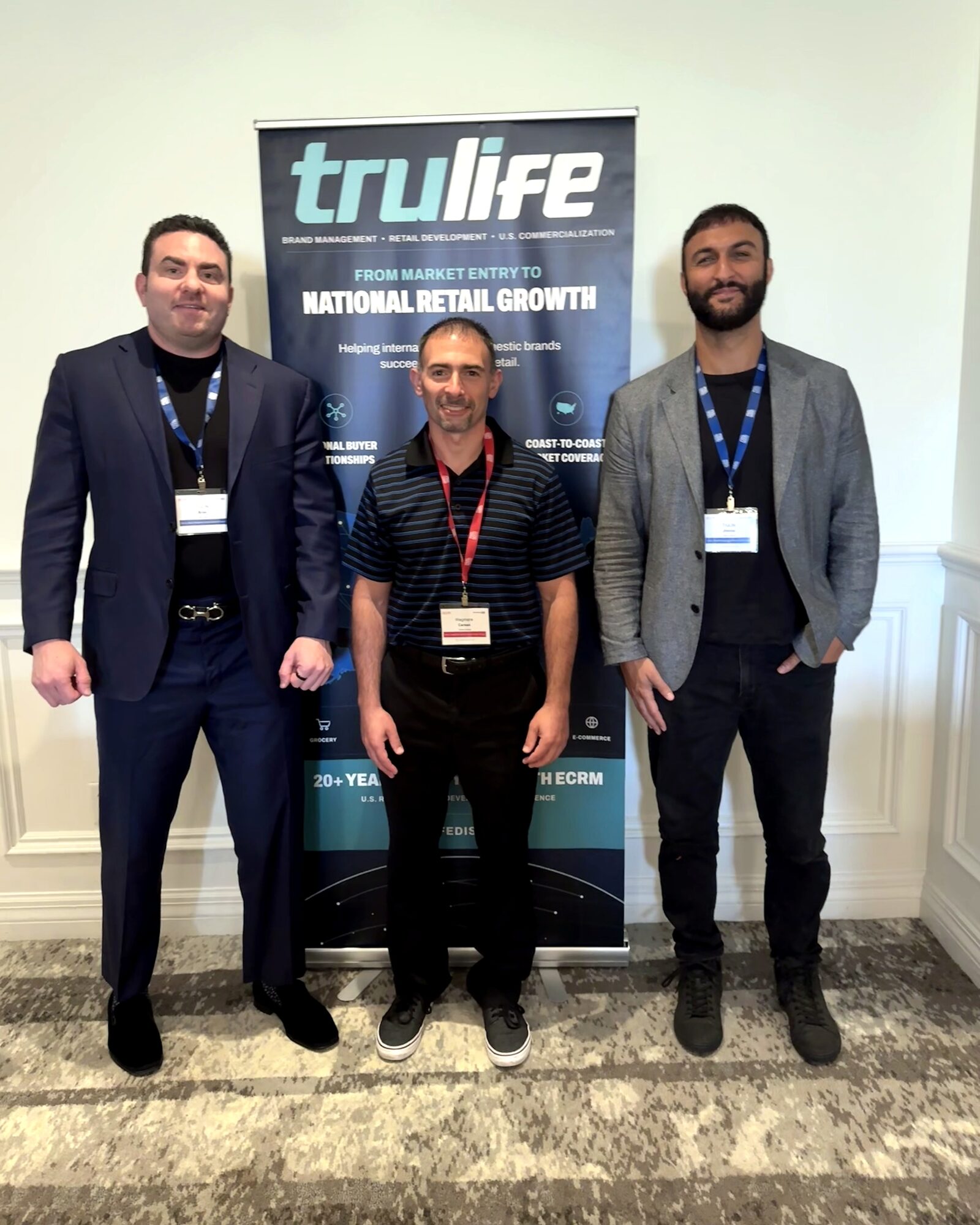
Wegmans is shown as evidence of a scheduled grocery retail buyer meeting.
Disclosure: Retailer names and photographs document TruLife Distribution’s participation in scheduled buyer meetings. Meetings do not imply retailer endorsement, purchase commitment or guaranteed placement.
Next steps
Turn channel interest into a decision
Write a one-page grocery thesis: target shopper, shelf, comparison products, repeat occasion, opening geography and support budget. Validate shelf life and landed economics, then choose a manageable retailer or region in which sales and operations can be measured.
Frequently asked questions
Grocery FAQs
Do grocery retailers always require a distributor?
No. Fulfillment models vary by account and category. Confirm whether the target buys direct, through its own warehouse or through a specified distributor before building pricing.
How important are promotions?
Often important, but the appropriate frequency and mechanic are account-specific. Brands should model the total cost and operational effect before agreeing.
What evidence of demand is useful?
Relevant direct sales, repeat purchase, regional consumer response, retailer history and well-designed tests can help. Evidence should be explained honestly and in context.
Should a brand launch nationally first?
Usually only when demand, supply, working capital and marketing can support it. A focused regional launch can produce more useful learning with lower execution risk.