
A buyer meeting is not valuable because it puts a brand in the same room as a retailer. It is valuable because it shows where a launch will be tested before the first purchase order — and what has to be ready when that test comes.
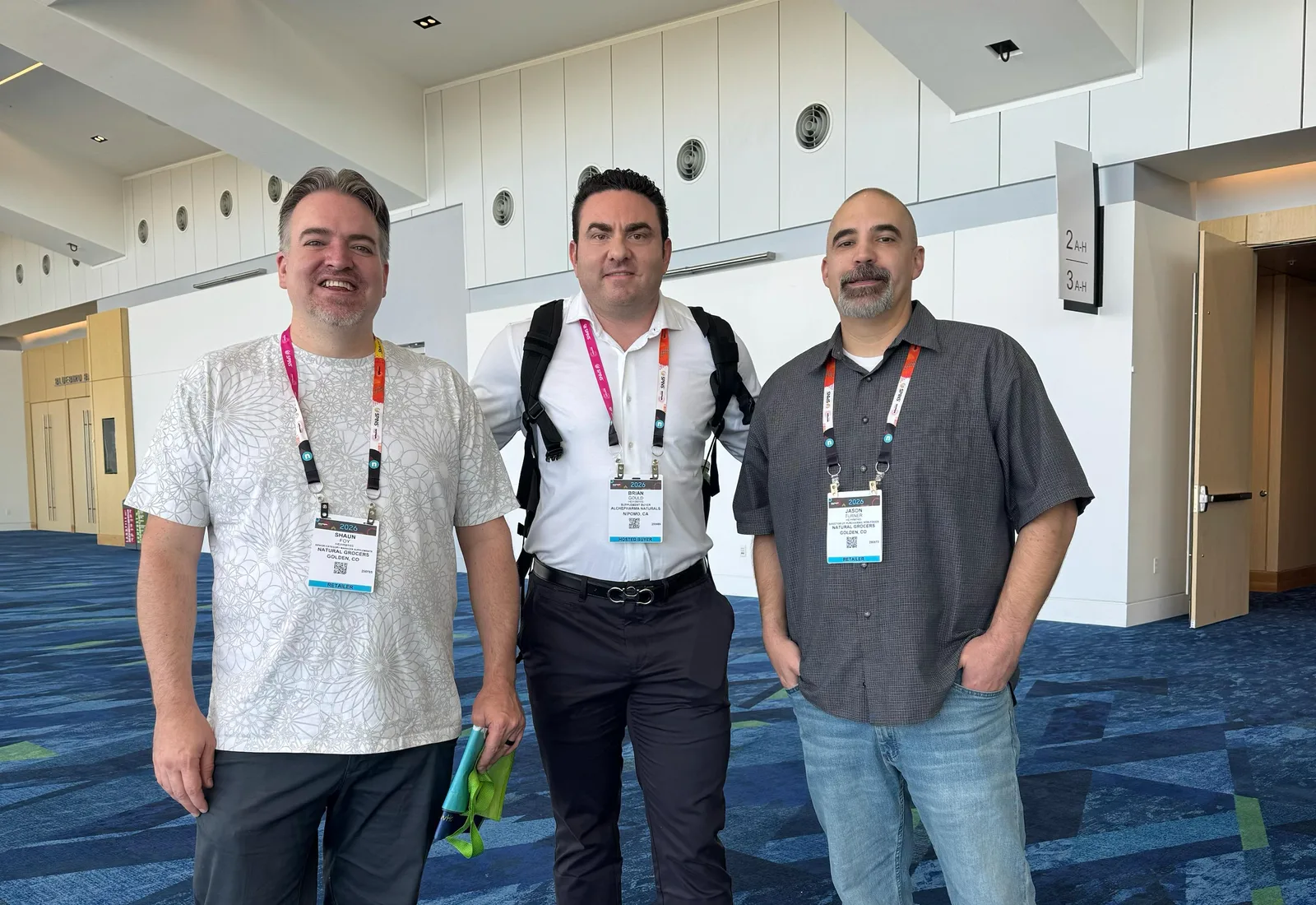
The first entry in TruLife’s Buyer Conversations series comes from Newtopia Now, where the TruLife team met with members of the Natural Grocers purchasing team. The purpose of sharing moments like this is not to turn a conversation into an endorsement. It is to make the commercial work behind U.S. retail more visible for brands that are still planning their entry.
Why direct access matters
For many international brands, U.S. retail can look like a sequence of introductions: find a distributor, attend a show, collect contacts, send a deck. That sequence misses the point. Retail access becomes useful only when the interaction creates a clearer decision about whether the product can work in the account, on the shelf, and in the operating model behind it.
Retail decision-makers evaluate an offer through a practical lens. They are responsible for a category, a shelf, an inventory position, a promotion calendar and a customer experience. A brand may have a strong product story, but the questions that determine whether the story becomes a listing are commercial and operational as much as creative.
Retail insight: the questions behind the conversation
Good buyer conversations do not end with “send us more information.” They expose the assumptions that need to be tested. The exact standards vary by retailer and category, but the underlying areas are consistent.
Can the shelf price make sense against the actual competitive set while supporting retailer, distributor and brand economics?
Can a shopper understand the product, its point of difference and its price-value relationship in the few seconds a shelf allows?
Can the brand deliver the correct product, in the right format, with dependable lead times, routing compliance and replenishment capacity?
What will create awareness and sell-through after the product arrives — from promotional support to education, sampling and channel discipline?
These are not hurdles to be handled after a buyer says yes. They are the basis of the buyer’s decision. For brands entering the United States from another market, direct retail feedback can surface a mismatch early: a package that is clear at home but crowded in the U.S. aisle, a landed cost that cannot carry the margin stack, or a supply plan that cannot support a promotional calendar.
What brands should learn
Price from the shelf back to the factory
Retailers assess a price in the context of a real shelf set, not a currency conversion from the brand’s home market. Before presenting a number, model the shelf price, retailer margin, distributor terms where relevant, trade spend, deductions, freight and landed cost. The question is not whether a price sounds reasonable; it is whether the full structure can sustain the business. Our retail pricing guide explains the margin stack in more detail.
Make the packaging do more work
Packaging needs to help the shopper and the buyer at the same time. It must state the benefit quickly, distinguish the product from alternatives, fit the category’s visual cues, and support the price point. A premium can be defensible, but only if the reason for it is visible without a long explanation.
Treat operations as part of the commercial offer
In U.S. retail, the product is only one part of what a buyer is evaluating. Order accuracy, shelf-life planning, case packs, labeling, warehouse readiness and the ability to support reorders all affect the account’s experience. A promising brand can lose momentum quickly if the operation does not match the sales plan. See how U.S. retail distribution and logistics planning connect to buyer readiness.
Bring a plan for support, not just a launch date
Retailers want to understand what will help the product move after it reaches the shelf. That can include a realistic promotional plan, staff education, sampling, digital support, public relations, marketplace discipline or regionally targeted activity. The right mix depends on the account, but the responsibility cannot sit entirely with the retailer.
Use feedback to decide what to fix first
The most useful outcome of a buyer interaction may be a better sequence of work. If pricing is not viable, fix the model before building a national sales plan. If packaging is not communicating, address it before adding doors. If the operation is not ready, resolve the infrastructure before creating demand that cannot be fulfilled. The U.S. market-entry guide outlines the order in which those decisions usually need to happen.
The TruLife perspective
TruLife’s role is not simply to arrange introductions. It is to help a brand convert market feedback into an executable U.S. commercialization plan. That means connecting the buyer conversation to the work that follows: retail strategy, pricing, FDA and labeling coordination, import planning, logistics, distribution, marketplace control and launch support.
For international health and wellness companies, this is especially important. A retailer’s interest may validate the opportunity, but the brand still needs a U.S. structure that can carry the product from first meeting through repeat orders. The strongest retail conversations begin with that structure already in view.
Planning U.S. retail expansion?
Bring your product and your numbers to the right conversation.
TruLife helps international health and wellness brands assess U.S. retail readiness and build the commercial, regulatory and operational plan behind a sustainable launch.
Talk with TruLife about U.S. retailAbout the author
Brian Gould — Founder & CEO, TruLife Distribution
Brian Gould is the Founder and CEO of TruLife Distribution and has worked in health, wellness, retail sales and distribution since 2006. He has participated in ECRM retail buyer programs since 2009 and specializes in helping domestic and international brands enter and grow within the U.S. marketplace.
New to the U.S. market?
Start with our five essential resources — the guide, the launch calculator, the buyer glossary, the readiness checklist and the market assessment — in the order to use them.
Start HereRelated resources.
What Newtopia Now 2026 Revealed About Retail-Ready Brands
Newtopia Now 2026 reinforced what it really takes to earn a place on the shelf. Watch our event recap from Denver — and what the show revealed about retail-ready brands.
Read →TruLife Distribution at Newtopia Now 2026: Meeting Brands in Denver
TruLife Distribution attended Newtopia Now 2026 in Denver, Colorado, August 18–20 — meeting brands and evaluating U.S. retail opportunities. Watch the event recap.
Read →Maximizing Success at U.S. Trade Shows for International Brands
Explore practical strategies for international brands to excel at U.S. trade shows. Maximize visibility and forge valuable retail connections.
Read →Next step
Find out what America would actually take.
U.S. Market Assessment — $3,500: a written, specific read on what your brand needs and what it could realistically return.